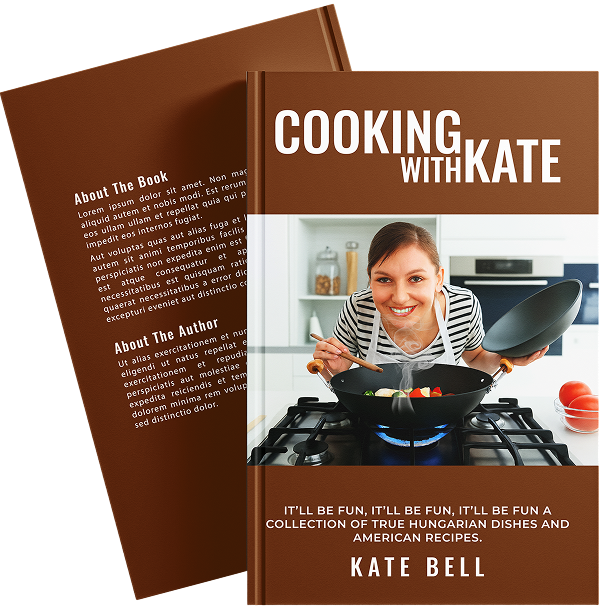
‘Cooking With Kate: A Family Tradition Cookbook’ presents authentic Hungarian cuisine from a home cook who spent over five decades perfecting these recipes. Elizabeth Katherine Bell grew up in a traditional Hungarian family from the Eger region, known for its rich culinary heritage. Her cookbook captures the essence of Hungarian home cooking with recipes that have fed her family for generations.
The book opens with Kate’s cooking philosophy: food is art that unites people. She views her skillets and pots as a painter views a canvas, creating dishes that nourish both body and soul. Starting with soups like spicy Halászlé (Fisherman’s Soup) and comforting Vegetarian Goulash, the cookbook progresses through hearty stews including Pörkölt and Lecsó, showcasing the complex flavors Hungarian cuisine is known for.
Main dishes feature family favorites like Ramott Krumpli (Layered Potatoes) and traditional Stuffed Cabbage, the kind of meals that define Hungarian comfort food. Side dishes and salads complement these mains, while the dessert section offers sweet treats like Túrós Pite (Cottage Cheese Pie) and Somlói Galuska (Somló Sponge Cake).
Each recipe includes personal anecdotes connecting the dish to family memories, practical cooking tips learned over decades, and nutritional information. Kate encourages experimentation and offers variations to accommodate different dietary needs. The glossary at the end translates Hungarian terms and explains traditional cooking methods.
This cookbook serves home cooks seeking authentic recipes, families wanting to preserve cultural heritage, and anyone who believes good food creates lasting memories. Kate makes Hungarian cooking accessible without compromising the traditional flavors that make these dishes special.
‘Cooking With Kate: A Family Tradition Cookbook’ offers home cooks authentic Hungarian recipes tested over fifty-five years. Unlike cookbooks written by chefs for restaurant cooking, Kate’s recipes come from a home kitchen where practical methods and family preferences shape every dish.
This cookbook benefits anyone interested in Hungarian cuisine, whether you’re reconnecting with cultural heritage or exploring new flavors. Kate makes traditional cooking accessible with clear instructions, helpful tips, and explanations of unfamiliar ingredients. The glossary removes intimidation from Hungarian cooking terms and techniques.
Each recipe includes personal stories connecting food to family memories, making this more than just an instruction manual. You learn why dishes matter, how they bring people together, and what role they play in Hungarian tradition. This context enriches the cooking experience.
The book’s organization helps meal planning with sections for soups, stews, main dishes, sides, and desserts. Nutritional information and recipe variations accommodate different dietary needs. Kate encourages experimentation, showing how traditional recipes adapt to personal preferences.